Practical Jupiter Farms Acreage Buyers Guide for First-Timers
March 5, 2026
March 5, 2026
Thinking about your first 1 to 5 acres in Jupiter Farms? The idea is exciting, but acreage living comes with different rules, systems, and everyday tasks than a typical suburban lot. You want clear answers on wells and septic, outbuildings, animal use, and what upkeep really looks like before you buy. In this guide, you will learn the essentials, get a practical checklist, and see how to move forward with confidence. Let’s dive in.
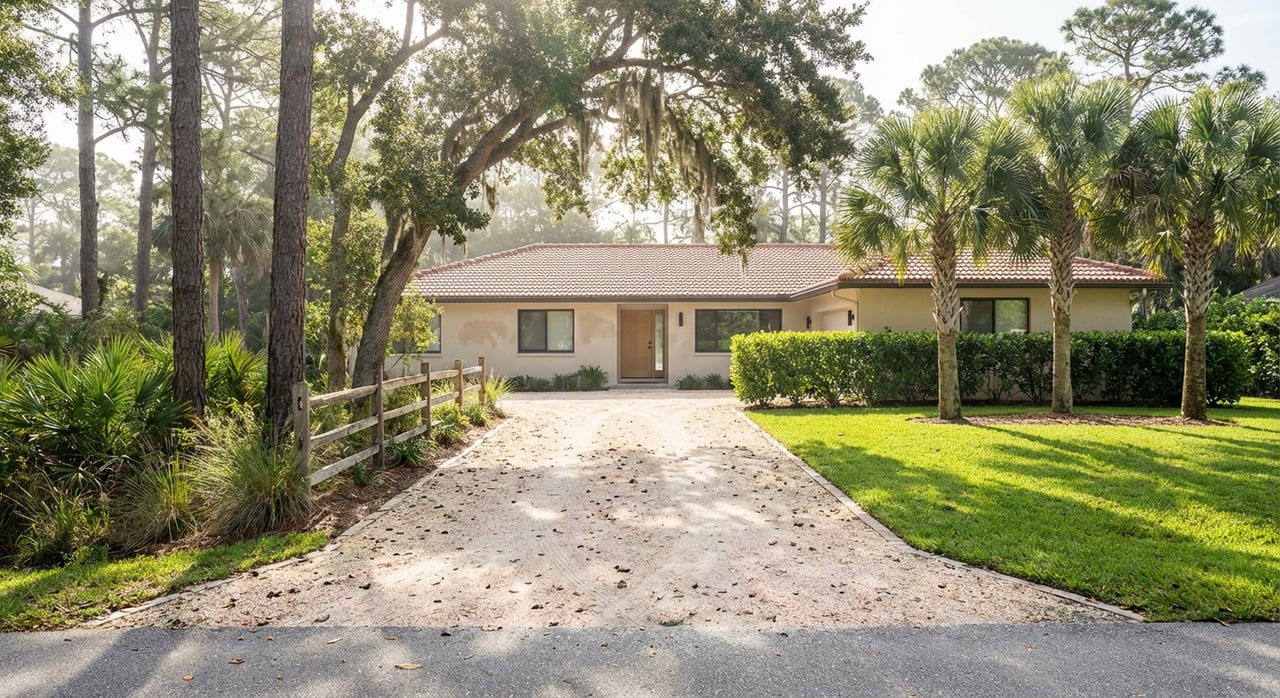
Jupiter Farms is an unincorporated, rural residential area in northern Palm Beach County known locally as “the Farms.” You will find a mix of 1+ acre lots, equestrian-friendly properties, and a laid-back, country feel. Most homes rely on private wells and septic systems, and the area keeps a rural appearance with both paved and dirt streets.
There is no single mandatory HOA across the entire community. Properties are governed by Palm Beach County rules and the Jupiter Farms Neighborhood Plan. To understand planning basics, start with the county’s Planning publications for the neighborhood plan and zoning resources on the Palm Beach County Planning Division site.
For a pulse on current pricing and demand, review a live neighborhood snapshot on Homes.com for Jupiter Farms acreage. Market numbers change often, so check fresh data when you are serious about a property.
Owning acreage in the Farms does not remove county rules. Unincorporated properties follow the Palm Beach County Unified Land Development Code, the neighborhood plan, and county permitting. Each parcel has a specific zoning district and future land use designation that drive what you can build and where.
Start by pulling the zoning and future land use for the exact parcel. The county’s Planning Division can point you to the neighborhood plan and planner-on-call resources on the Planning publications page. This is where you confirm setbacks, lot coverage, flood elevation needs, and any easements that affect buildable area.
Accessory buildings and accessory living quarters are commonly allowed in agricultural and residential districts, but they come with size limits, setbacks, lot coverage rules, and utility requirements. Local practitioners summarize accessory quarters around 800 square feet on lots under 1 acre and around 1,000 square feet on lots 1 acre or larger, with additional limits for non-air-conditioned covered area. Treat these as ballpark figures only. Always confirm your parcel’s exact allowances with Palm Beach County Planning and Zoning using the parcel ID.
Some Jupiter Farms properties intersect wetlands or drainage features connected to the Loxahatchee River headwaters. That can trigger extra environmental review, driveway and culvert approvals, and mitigation steps under state and county rules. Florida’s administrative code includes a specific general permit that addresses certain single-family work in Jupiter Farms wetland sections, which is summarized in the Florida Administrative Code entry.
If the parcel shows wetlands on a survey or map, plan for professional guidance and more time. A site survey and early consultation with the county and state agencies help you avoid surprises.
Most Jupiter Farms homes use a private well for drinking water and an onsite septic system for wastewater. These systems are safe and common when maintained, but they add a few key steps to your due diligence.
Local health departments have historically handled septic permits and inspections. Recent statewide changes shifted program guidance to the Florida Department of Environmental Protection and created new requirements in sensitive areas. If a property is in a mapped impacted area, an Enhanced Nutrient Reducing septic system may be required for new systems or certain repairs. Start at the Palm Beach County health department page for onsite wastewater to confirm local permitting and records, and review the state’s ENR overview to understand where additional treatment is required. See the Palm Beach County DOH Wastewater Program and the Florida DEP ENR-OSTDS guidance.
For upkeep, the EPA recommends inspections every 1 to 3 years and pumping about every 3 to 5 years based on household size and tank volume. Ask for permits, installation records, and recent service invoices during your inspection period. Review the EPA Septic FAQ for a quick owner guide to maintenance intervals.
New potable wells follow state rules and are typically permitted through the water management district or a delegated agency. The process includes a site review, permit, drilling, disinfection, and water quality testing before the well is cleared. Expect several weeks to a few months if a new well is needed.
For any property with an existing well, request the completion report and lab results for coliform bacteria and nitrate at a minimum. In South Florida, many owners also test for hardness, iron, and manganese. Learn the basics from the Florida well owner guide.
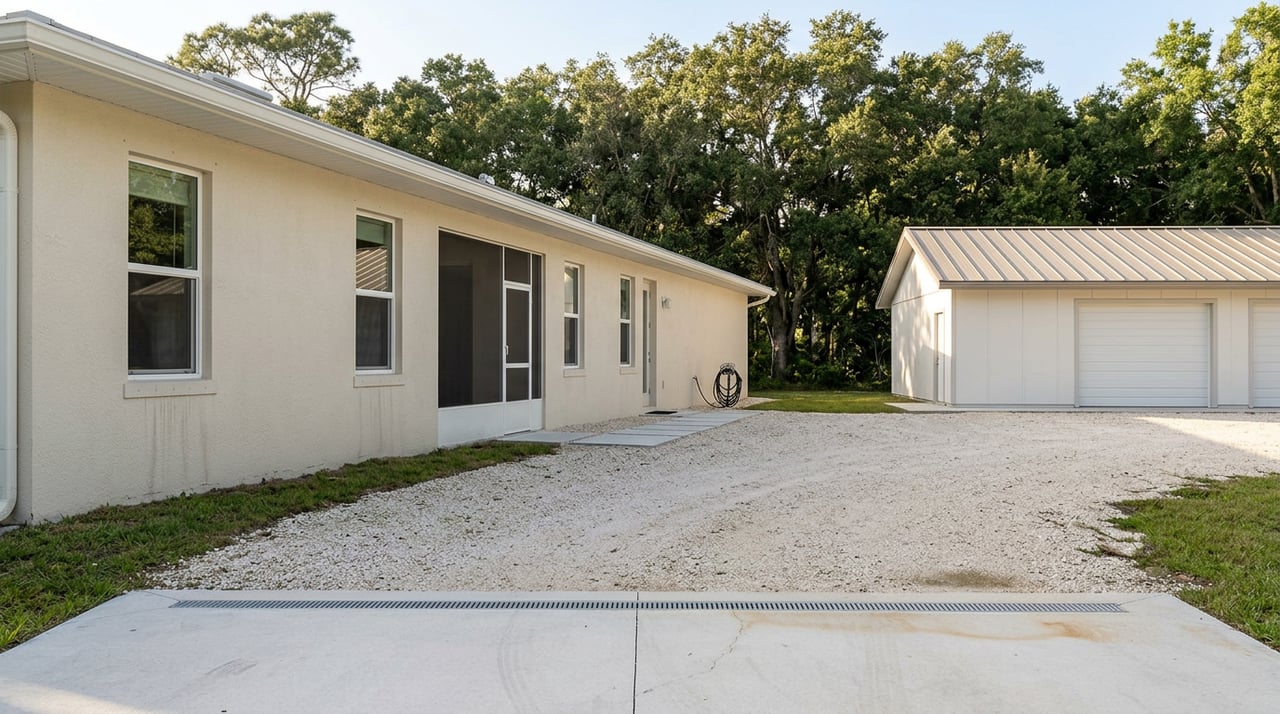
Jupiter Farms is known for equestrian and small-scale agricultural uses. Accessory structures like barns, sheds, and arenas are common, but they must meet setbacks, lot coverage limits, and any flood elevation rules. Confirm the layout you want before closing, including where driveways, utilities, and drainage structures sit on the site.
If you plan to keep horses, set realistic expectations for space and pasture management. University of Florida guidance suggests about 1 to 2.5 acres per mature horse depending on forage and management, and stresses rotational grazing, manure handling, and safe fencing. Review the UF/IFAS guide to pasture and forage for horses when you sketch a paddock plan.
Nutrient runoff is a local concern near the Loxahatchee headwaters. Good manure storage and disposal practices lower the risk of runoff and help you stay in step with environmental goals. If your property is near wetlands or drainage features, budget for buffers and thoughtful site design.
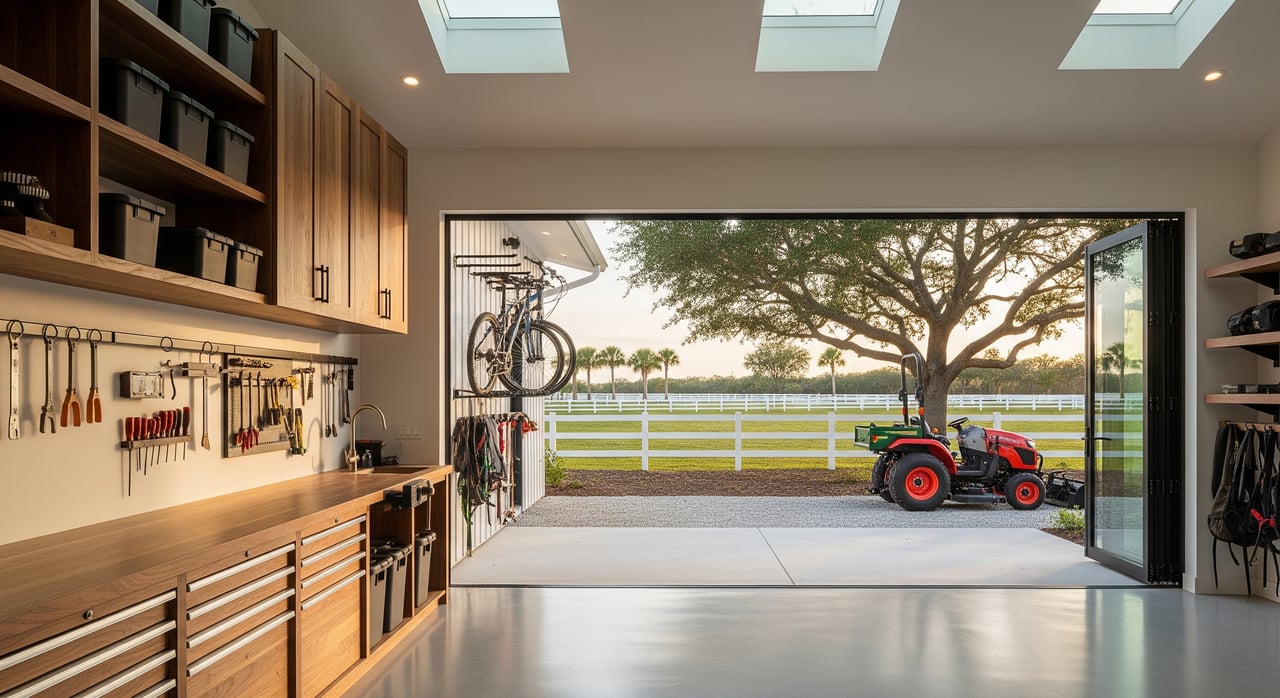
Acreage living means more space and more routine care. Match your equipment to your lot size and projects so you can stay ahead of the work.
Set a yearly budget for fuel, routine service, fence repairs, driveway work, and tree trimming. A small equipment trailer, chain saw, and a basic toolkit save time and trips.
Use this list to structure your inspection period and keep surprises to a minimum.
Buying acreage is part real estate and part land planning. You need a responsive partner who knows the Jupiter Farms rules, contractors, and everyday realities. I bring hands-on guidance, clear next steps, and a trusted network for septic, wells, surveys, and equine needs.
If you are ready to explore homes, want a second opinion on a parcel, or need help shaping your due diligence plan, reach out. I am happy to walk a property with you, review records, and coordinate the right inspections. Contact Lorie Arena to get started. Call Lorie — I Answer My Phone!
Stay up to date on the latest real estate trends.



Lorie provides a hands-on, client-focused real estate experience defined by clear communication, trust, and responsive service—guiding buyers and sellers every step of the way.

Lorie Arena
2000 PGA Blvd #2100 Palm Beach Gardens FL 33408