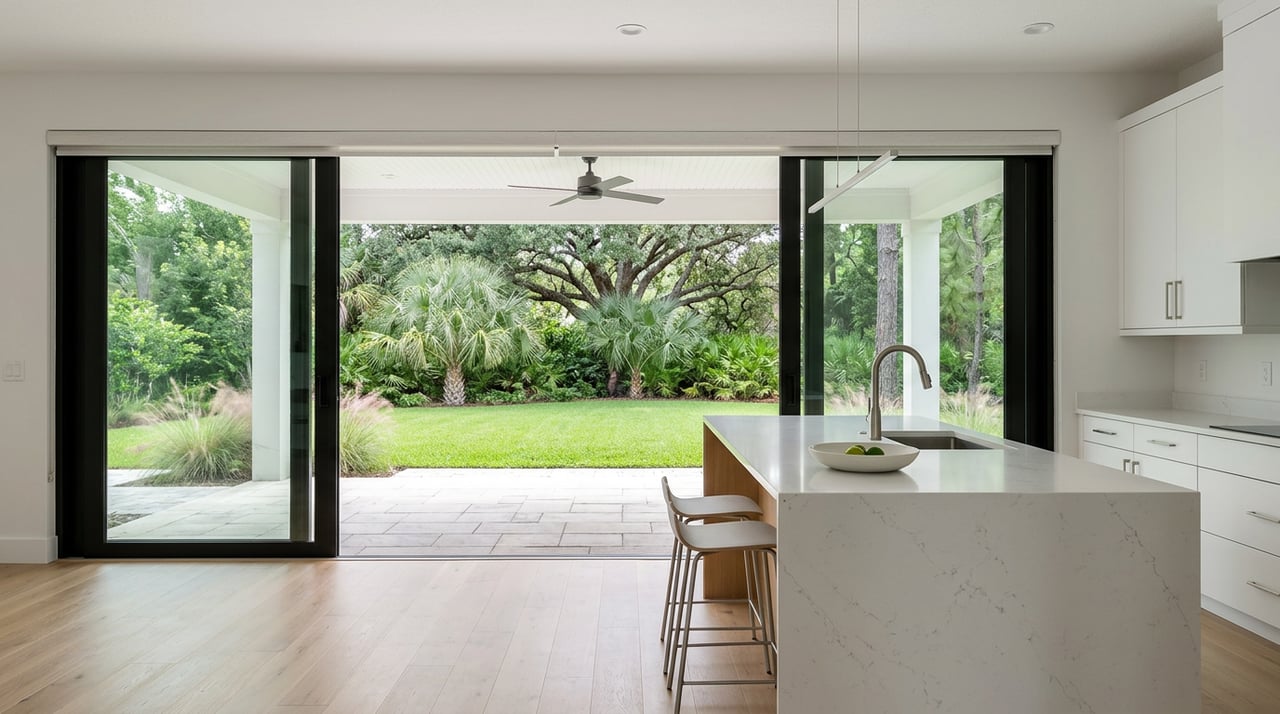
Should You Sell Your Jupiter Farms Home Now or Wait?
March 24, 2026
March 24, 2026
Thinking about selling your Jupiter Farms home but not sure if now is the right moment? You are not alone. Acreage and equestrian properties follow different rhythms than suburban neighborhoods, and timing can add real dollars to your bottom line. In this guide, you will learn how seasonality, mortgage rates, property condition, and local demand in Northern Palm Beach County come together so you can choose the best path for your goals. Let’s dive in.
Jupiter Farms is a true micro-market. Sales counts are small each month, and prices vary widely based on acreage, barn quality, roof age, and updates. Recent portal snapshots show medians ranging roughly from the high $700s to well over $1 million for listed homes. That spread reflects sample size and methodology. The best way to pin down your price is a recent, on-the-ground CMA focused on Jupiter Farms comps, not countywide averages.
County context still matters. Palm Beach County has hovered near a balanced posture with about 5 to 6 months of supply in recent reports, according to the Palm Beach County Q4 2025 market report. In a balanced market, well-prepared, well-priced acreage homes still attract motivated buyers, but overpricing can lead to long days on market and price cuts.
Northern Palm Beach County sees a clear seasonal wave. Snowbirds and out-of-state buyers concentrate activity from late fall through spring, with many agents citing late winter into spring as the peak window. Listing just before or within that window can boost showings and urgency. Industry coverage backs this pattern for Palm Beach sellers (best times to sell in Palm Beach).
Summer and early fall often run slower. From June through October, many seasonal residents are away and hurricane awareness rises. If you list off-season, you can still win with sharp pricing and strong marketing, especially if your property has in-demand equestrian or hobby-farm features.
Mortgage costs affect buyer budgets. The 30-year fixed rate has hovered near the low-6 percent range in March 2026, per Freddie Mac’s weekly PMMS. That level tightens affordability compared with pandemic-era lows. Buyers become more selective and value turnkey condition and fair pricing.
Loan size matters, too. The FHFA raised the 2026 baseline conforming loan limit to $832,750, as noted in the FHFA’s announcement. Many Jupiter Farms list prices sit at or above that level, which means a meaningful share of your buyer pool may use jumbo financing. Jumbo loans can take longer to underwrite and appraise, and there are fewer buyers at that tier. If your expected price is above conforming limits, allow extra time and be strategic on pricing and prep.
Florida homeowners insurance remains a hot-button topic. Premiums and carrier changes can slow deals if buyers cannot secure coverage. Strong documentation helps. Keep wind mitigation reports, roof ages, and impact window details handy. Listing outside the heart of hurricane season can reduce perceived risk for some buyers. For context on the broader insurance backdrop, see this Florida homeowners insurance overview.
Acreage and equestrian properties come with unique infrastructure. Buyers and insurers pay close attention to roof age, septic/OSTDS systems, wells, fencing, barn and outbuilding condition, and drainage. If you tackle aging roofs, septic service, and safety repairs before listing, you lower the odds of last-minute renegotiations. For septic and onsite wastewater guidance, review Palm Beach County resources on onsite wastewater systems.
If your land benefits from agricultural classification for tax purposes, understand how a sale or change in use could affect that status. Talk with your agent and consult the Palm Beach County Property Appraiser’s agricultural classification guidance early so you are not surprised by timing or tax implications.
A targeted pre-list inspection (roof, HVAC, septic) can save you time. You fix key issues on your schedule, update disclosures, and set clearer expectations. This often shortens buyer inspection periods and reduces repair credits. Pair that with a simple property packet that includes permits, surveys, well and septic records, and recent improvements. Buyers of acreage appreciate transparency.
The right visuals and staging matter. NAR’s research shows staging can reduce time on market and, for some sellers, influence higher offers. Review highlights in the 2025 Profile of Home Staging. For land-centric properties, drone photography and clear property maps are must-haves so buyers can see pasture layout, access, and boundaries. NAR’s technology survey also highlights widespread use of drone media for listings, reflecting buyer expectations (NAR tech survey findings).
Pro tip: Stage the lifestyle outside, too. Freshly graded drive pads, tidy paddocks, swept barn aisles, and defined outdoor living areas photograph well and help buyers picture daily life.
Use this simple filter to decide.
Sell now if:
Wait and prep if:
If you are leaning toward selling soon, use this timeline to stay focused.
There is no one-size-fits-all answer for Jupiter Farms. If you need to move, list now with strong prep and focused marketing to acreage and equestrian buyers. If your timeline is flexible, complete key repairs and time your launch for late winter or spring to meet peak buyer traffic. In every case, a Jupiter Farms-specific CMA, a targeted pre-list inspection, and polished visuals will do the heavy lifting in this balanced Palm Beach County market.
Ready to map your timing and price with a local expert? Reach out to Lorie Arena for a Jupiter Farms CMA, a tailored prep plan, and a clear go-to-market strategy. Call Lorie. I Answer My Phone!
Stay up to date on the latest real estate trends.


Lorie provides a hands-on, client-focused real estate experience defined by clear communication, trust, and responsive service—guiding buyers and sellers every step of the way.

Lorie Arena
2000 PGA Blvd #2100 Palm Beach Gardens FL 33408