Tour Jupiter Waterfront Homes With a Dedicated Buyer’s Agent
January 15, 2026
January 15, 2026
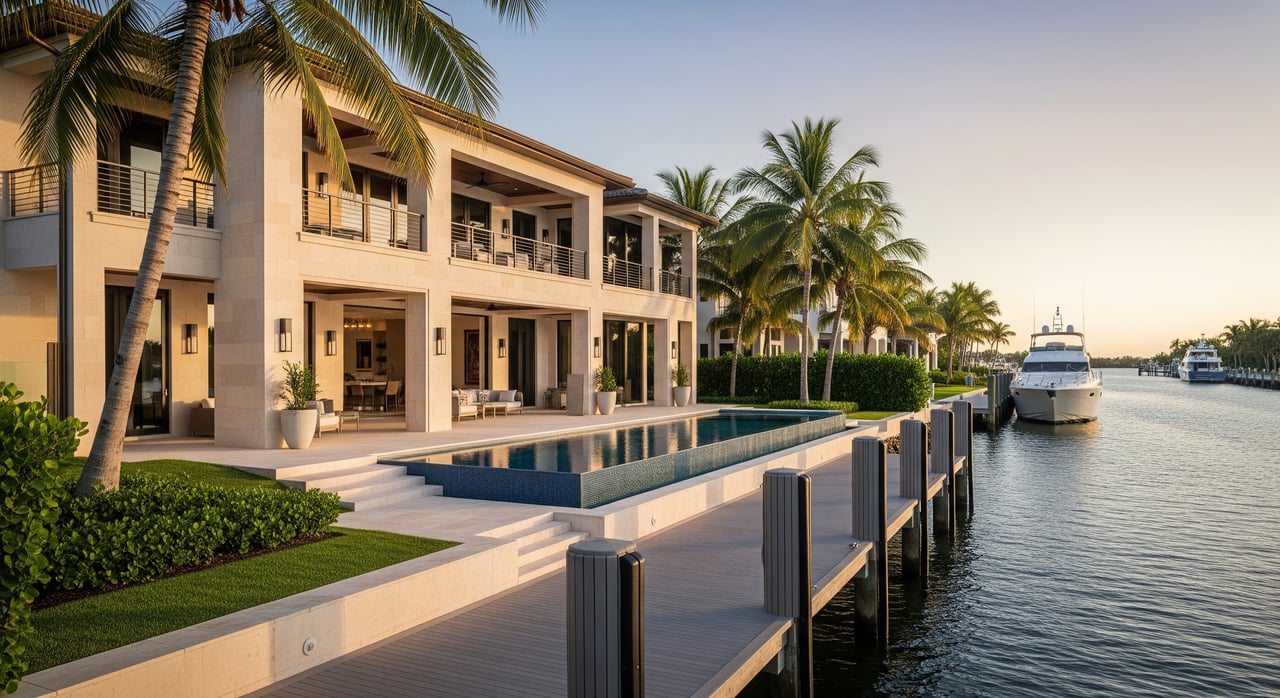
Dreaming of walking out your back door, stepping onto your boat, and being in the Atlantic in minutes? If you are eyeing Jupiter’s waterfront homes, you know the right dock, route, and tide window matter as much as the kitchen and view. This guide shows you how to tour like a captain, what to verify before you write an offer, and why a dedicated buyer’s agent makes the difference in a competitive, low‑inventory market. Let’s dive in.
Jupiter sits on the Intracoastal Waterway with direct ocean access through the Jupiter Inlet and inland access along the Loxahatchee River. The Loxahatchee is recognized in the National Wild & Scenic Rivers system, which means parts of the river have added environmental protections. You will find oceanfront, inlet‑adjacent, ICW‑fronting, and riverfront parcels, each with its own navigation, tide, and permitting considerations.
Serious boaters value quick, reliable ocean access and protected dockage. In Jupiter, seawall condition, dock capacity, lift rating, and bridge clearance can influence both lifestyle and property value. Because move‑in‑ready homes with robust, permitted docks are scarce, the best ones go fast and sometimes change hands off market.
Your boat’s air draft is the top number to know. Fixed bridges have a published vertical clearance, usually noted at a reference water level, and movable bridges operate on set opening schedules. Compare your boat’s air draft to charted clearances, and confirm whether any movable bridges sit between the property and open water. Authoritative data lives on NOAA nautical charts and in the U.S. Coast Guard’s Local Notice to Mariners.
Inlet transits can depend on tide and swell. Many captains prefer slack tide for comfort and safety, especially with heavier boats or strong onshore or offshore flow. Shoaling near inlets shifts over time, so recent soundings and local pilot knowledge are key before you commit to a new route.
For each property you tour, plan the run from dock to open water. Note distance on the ICW, the number of bridges, fixed‑clearance heights, any shoal areas, and how you will approach the inlet. Ask the listing side for recent depth soundings and opening schedules, and consider a short proof run with a local captain before you finalize your offer.
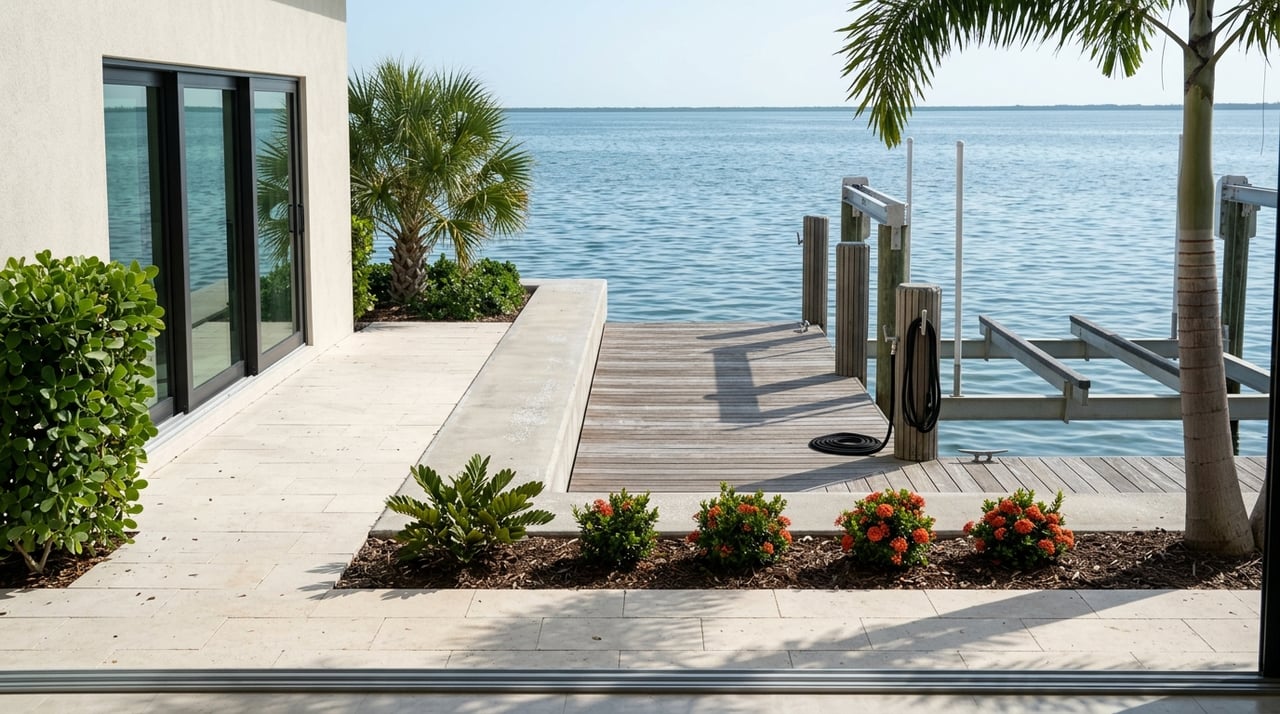
Request a marine or dock survey that reviews pilings, connections, deck boards, fasteners, lighting, and power. Confirm the boatlift’s rated capacity and have its mechanical and electrical systems checked for corrosion or wear. Ask for maintenance logs, lift serial numbers, and any warranty documents.
Seawalls can be concrete, vinyl or steel sheet, or block. Look for movement, cracking, seepage, and signs of scour or tie‑back issues. A coastal engineer or qualified marine contractor can estimate remaining life and replacement needs so you know whether to negotiate credits or plan upgrades.
Dock, seawall, and dredging work often require county and state permits, and sometimes federal approvals. In Palm Beach County, Environmental Resource Management oversees many local reviews, and work in navigable waters can trigger U.S. Army Corps regulatory permitting. Oceanfront changes may fall under the Florida Coastal Construction Control Line, and mangrove or seagrass protections can affect design and timing. Many HOAs also regulate lift types, dock size, fueling at the dock, and boat length.
Major dock repairs, seawall replacement, or new lifts can cost tens of thousands of dollars depending on scope. Permitting can add weeks to months, and contractor availability shifts around hurricane season. Ask for permits, engineering reports, as‑built drawings, and any recorded easements or riparian rights. You can also review parcel records with the Palm Beach County Property Appraiser.
Waterfront homes often sit in special flood hazard areas where flood insurance is required for federally backed loans. Use the FEMA Flood Map Service Center to understand the property’s flood zone and request a recent elevation certificate for accurate quoting. Get this early so you can align coverage, deductible, and budget.
In Florida, wind‑mitigation features like roof type, shutters, and secondary water resistance affect rates and eligibility. Older waterfront structures can carry higher premiums. Get quotes for homeowners, flood, windstorm, and boat coverage during your inspection window so you can adjust terms if needed.
Ask about haul‑out options, local marina capacity, and storm mooring plans. Some marinas limit haul‑outs during peak season, so it pays to confirm a standby plan well before summer. Your buyer’s agent can help you collect this info during due diligence.
A dedicated buyer’s agent owes you a clear duty to act in your best interest under Florida law and brokerage policy. That means your priorities drive the search and the offer strategy, from air‑draft checks to seawall inspections and tide‑timed showings. You get straight answers and a structured plan.
Waterfront sellers may limit showings and prefer vetted buyers. A connected agent can secure private tours quickly, including daylight windows that allow dock inspections and short sea trials. Fast access matters when the right home appears.
In a tight market, many desirable docks change hands quietly. Experienced local agents cultivate marina, broker, and owner networks that surface pocket options. Your agent should document disclosures, confirm seller authority, and request the full set of due‑diligence records you would expect from an MLS listing.
Waterfront deals often require marine surveyors, coastal engineers, insurance pros, and permitting checks. A dedicated buyer’s agent coordinates the team and negotiates credits or repairs tied to dock, lift, or seawall findings. That protects your time and your investment.
If you are serious about Jupiter waterfront living, see the right homes in the right conditions and verify the details that matter on the water. With boutique, client‑first service and deep local expertise, you can move fast, tour privately, and negotiate with confidence. Ready to explore Jupiter’s waterfront by boat and by foot? Connect with Lorie Arena to schedule tide‑smart private tours today. Call Lorie. I Answer My Phone!
Stay up to date on the latest real estate trends.
Lorie provides a hands-on, client-focused real estate experience defined by clear communication, trust, and responsive service—guiding buyers and sellers every step of the way.

Lorie Arena
2000 PGA Blvd #2100 Palm Beach Gardens FL 33408