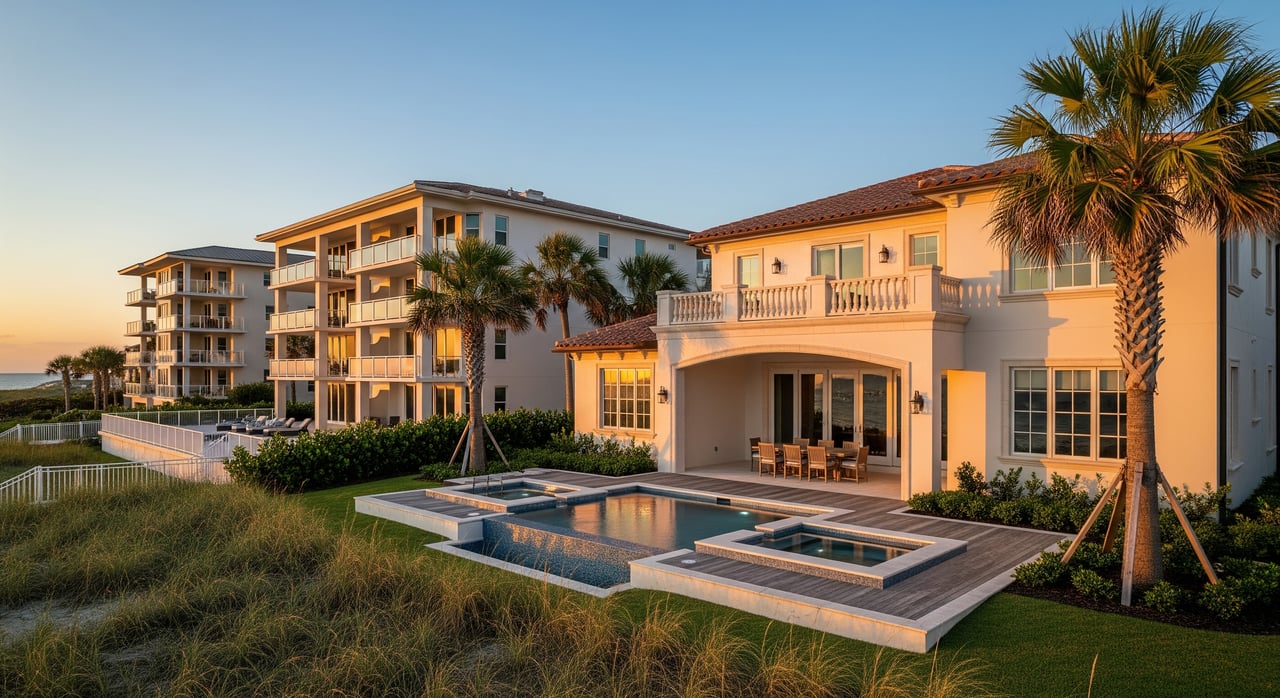
Choosing Between a Jensen Beach HOA and Condo Association
December 18, 2025
December 18, 2025
Thinking about a condo or townhome in Jensen Beach and wondering whether an HOA or a condo association is a better fit? You are not alone. The choice affects your monthly costs, what you maintain, how quickly you can make changes, and whether you can rent seasonally. In this guide, you will learn the practical differences under Florida law, the coastal factors that matter in Jensen Beach, and the documents to review before you buy. Let’s dive in.
Jensen Beach is in Martin County, and Florida uses two different statutes for common-interest communities. Always check the recorded declaration and bylaws first, then review the relevant statute for default rules and disclosures.
A condominium is governed by the Condominium Act. Owners hold title to the interior of a unit and a proportional share of the common elements. The association typically owns and maintains the building exterior, structure, roof, and shared systems. For statutory guidance, start with the Condominium Act in the Florida Statutes, Chapter 718.
An HOA usually governs platted subdivisions, some townhome neighborhoods, and planned communities. Owners hold title to the lot and improvements, and the HOA maintains defined common areas like parks, pools, or private roads. Exterior maintenance for the home and roof often falls on the owner unless the documents say otherwise. See Florida Statutes, Chapter 720 for baseline HOA rules.
Understanding maintenance responsibility is the single biggest day-to-day difference between condos and HOAs.
In Jensen Beach, many coastal condominiums push building envelope and stormproofing to the association. In single-family HOA communities, owners often carry more of the exterior burden. Always confirm in the recorded declaration and bylaws before you write an offer.
Both association types have elections, budgets, and owner meetings. The voting formula can change outcomes.
These differences influence how easily rules can change and who holds board control. Read the election procedures, quorum requirements, and amendment rules in the governing documents.
Both condos and HOAs prepare annual budgets and must keep financial records for owner review. Many communities commission reserve studies to plan for big-ticket items like roofs, exterior painting, paving, elevators, or major mechanicals. Whether reserves are required, and how they may be reduced or waived, depends on the documents and the statute that applies.
Jensen Beach’s coastal environment adds salt, wind, and water exposure. Robust reserves are critical for roof replacement, window and door systems, balconies, parking structures, and any seawalls or shoreline elements. Ask for the most recent reserve study and note how fully those reserves are funded.
Both association types levy mandatory assessments. If owners do not pay, associations can add late fees, place liens, and pursue foreclosure following statutory procedures. Associations may also pass special assessments for unexpected expenses, major projects, or hurricane damage. Approval requirements for special assessments vary by statute and by the association’s documents, so review both.
When you buy, you should receive a resale package or estoppel letter showing current assessments, special assessments, insurance coverage, and any violations. Lenders and buyers rely on these disclosures, so make sure you get them early in your review.
Insurance structure differs, which directly affects your total cost of ownership.
In coastal Jensen Beach, wind and hurricane coverage, flood zones, and deductibles drive costs. For market conditions and availability, review the Florida Office of Insurance Regulation and coastal context from Citizens Property Insurance. Confirm your flood zone through the FEMA Flood Map Service Center. Always request the association’s master policy, note what is covered versus excluded, and ask about recent premium changes and hurricane deductibles.
Both condos and HOAs require approvals before exterior changes. In a condominium, the association controls the exterior and can require board approval for anything affecting the building shell or shared systems. In an HOA, an architectural review committee typically oversees paint colors, fences, roofs, and landscape changes. Get written approval before you start work.
For Jensen Beach, factor in storm hardening and code compliance. Verify permitting and any building requirements with the Martin County government.
Both condos and HOAs can restrict pets by number, size, or breed in the governing documents. Read the declaration and rules to avoid surprises. If you are a seasonal owner, be sure to confirm leash rules, where pets are allowed, and any limits during peak occupancy periods.
Associations can limit or ban rentals, set minimum lease terms, cap the percentage of units rented, or require a waiting period after purchase before leasing. Short-term rentals such as vacation platforms are often restricted by the association and may be subject to additional local rules. Check your documents and review any local codes or licensing requirements through Martin County.
If you plan to use your home seasonally, pay close attention to occupancy, rental, and absentee-owner policies. Ask about:
Communities with a high share of seasonal owners can face quorum challenges and timing issues for special assessments. Review recent meeting minutes to understand how the board manages these realities.
Use this list for any condo or HOA purchase. Request these items before your inspection period ends.
Start with your lifestyle and budget. If you want a low-maintenance living experience and are comfortable with association oversight, a condominium can make sense, especially near the beach where exterior upkeep is intensive. If you value control over your exterior and yard, and you are prepared to handle your own roof and storm preparation, an HOA property may be a better fit.
Next, stress test the numbers. Add monthly assessments, likely special assessments, insurance premiums, and flood coverage where applicable. Review the reserve study and the association’s funded level. Ask about recent hurricane claims and upcoming projects.
Finally, match the rules to your plans. Confirm pet policies, rental limits, and architectural approvals. If you plan to rent seasonally, make sure the lease minimums and caps align with your timeline.
Choosing between an HOA and a condo association in Jensen Beach comes down to maintenance responsibility, financial strength, and rules that match your lifestyle. If you want a local, hands-on guide to walk you through documents, insurance questions, and neighborhood options, reach out to Lorie Arena. Call Lorie - I Answer My Phone!
Stay up to date on the latest real estate trends.

Lorie provides a hands-on, client-focused real estate experience defined by clear communication, trust, and responsive service—guiding buyers and sellers every step of the way.

Lorie Arena
2000 PGA Blvd #2100 Palm Beach Gardens FL 33408