Jupiter Farms Acreage Living Tips for Storage & Workshops
January 1, 2026
January 1, 2026
Dreaming of a Jupiter Farms home with room for your RV, boat, and a real-deal workshop? You are not alone. Acreage living here offers space and freedom, but the details matter, from setbacks and flood zones to gate widths and electrical capacity. In this guide, you will learn how to evaluate lots, plan storage, and design outbuildings that actually work in unincorporated Palm Beach County. Let’s dive in.
Before you plan a pad or a barn, confirm who sets the rules. Jupiter Farms is in unincorporated Palm Beach County, so county zoning, permitting, and the Florida Building Code apply. Many parcels also have private covenants or a property owners association with stricter standards. You need to check both, since covenants can add screening or structure limits on top of county rules.
Flooding and stormwater standards also shape what you can build. Federal flood zones, base flood elevations, and local drainage requirements may affect slab heights and insurance. Regional water management standards can come into play if you add impervious area or disturb soils. If you plan equestrian or agricultural uses, expect additional rules on setbacks, manure management, and animal care.
Acreage looks simple on paper, but physical conditions decide how your plans take shape. Use the points below to evaluate each Jupiter Farms property you tour.
Lot width, depth, and shape control where buildings can go. Irregular lots reduce maneuvering space for trailers and can pinch the buildable area. Ask about setbacks for accessory structures and whether the zoning caps the size or number of outbuildings. Confirm recorded easements, since drainage or utility easements can block a future garage or barn location.
Think about how your largest rig will enter the property. Private roads and shared easements may require maintenance agreements, and some approaches are not ideal for heavy vehicles. Driveway surface and grade matter, especially in wet season. For gate planning, small trailers often need 10 to 12 feet of clear width, while large RVs and boats usually need 12 to 16 feet or more, plus inside turning room.
Culverts are easy to overlook. They can limit both width and weight, so evaluate condition and load capacity. Replacing a culvert typically requires county permits, so factor that into your budget and timeline.
Jupiter Farms has flat terrain with seasonal high water. Even if you are far from storm surge areas, sheetflow and ponding can happen. Review FEMA flood maps and ask about local flood history. Elevation and small grade changes can determine whether a slab-on-grade shop is feasible or whether you need fill or an elevated design.
Soil type affects septic performance and drainage. If you plan wash bays or heavy equipment, you may need engineering for the slab and onsite water management. Keep building footprints clear of wetlands or conservation areas that may limit clearing or pad placement.
Confirm the electrical service at the meter and main panel. Some older rural properties have 100-amp service, which can be tight for welders, compressors, and HVAC. Workshops often do better with 200 amps or more. Three-phase power can be costly to extend and is uncommon at many rural residences.
Ask about water and septic. Municipal water may not be available on every street, and private wells require permits and yield that meets your uses. Septic capacity, age, and location are critical if you want an accessory dwelling, shop sink, or RV hookup. Finally, check your internet options if you plan to monitor a shop or run a home office.
Mature trees add beauty and shade, but they also affect building placement and crane access. Clearing or altering large trees may require permits. If you plan noisy tools or frequent vehicle moves, think about where you can add visual buffers or fences to limit neighborhood impact and meet any screening standards.
Storing big toys on your own land is a major perk of Jupiter Farms, but it has to be done right. Use the checklist below to plan a safe, compliant setup.
Before you buy or pour a pad, confirm rules on long-term parking and storage. County land development codes and any recorded covenants may limit visible RVs, boats, trailers, and commercial vehicles. Some communities require screening and may restrict storage to areas behind the front building line. Temporary parking for weekends is usually easier than permanent storage, so clarify what the parcel allows.
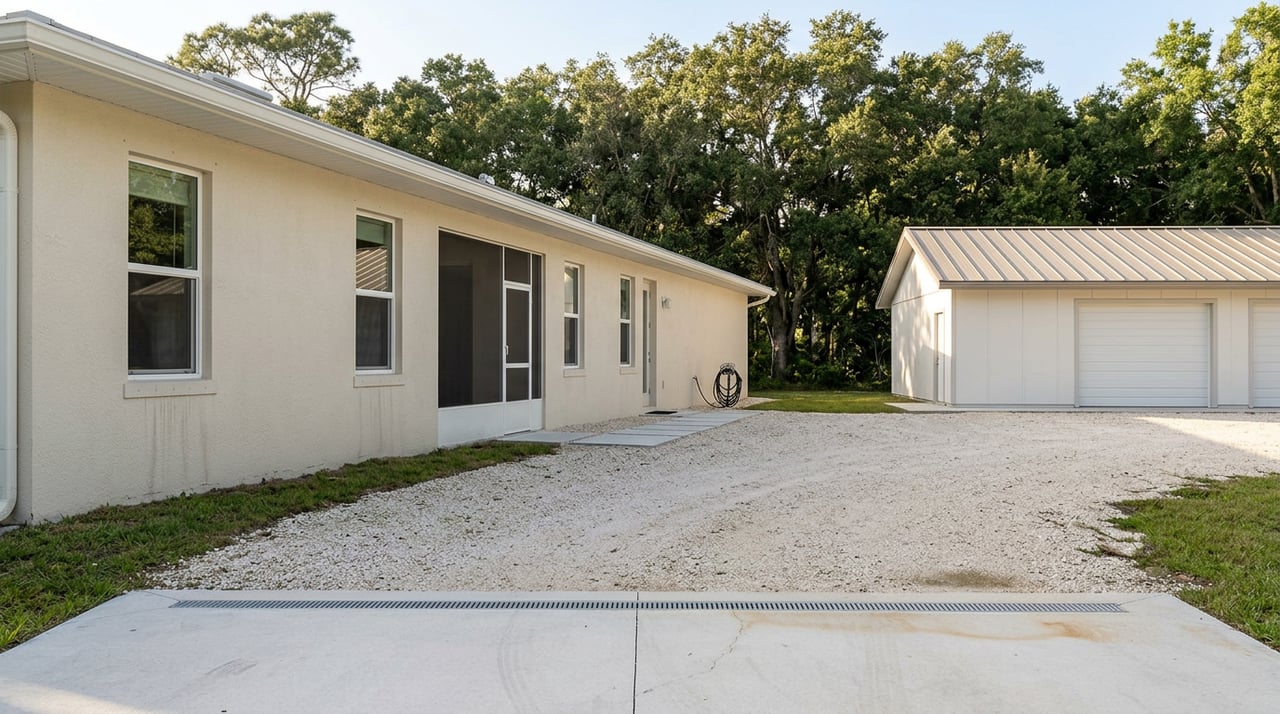
Give yourself enough room. A large motorhome or fifth wheel typically needs 50 to 70 feet of clear linear parking plus maneuvering space for the tow vehicle. Parking heavy equipment on grass can compact soils and create drainage problems. Many owners prefer gravel or compacted base. Concrete or asphalt can trigger stormwater considerations, so be ready to discuss runoff and permits.
Size your gate for your largest setup. Plan 10 to 12 feet of width for small trailers and 12 to 16 feet or more for large RVs and boats. Long trailers do not handle tight turns, so lay out a turning path that avoids trees, posts, and shallow swales. Steeper grades or sharp transitions can scrape low overhangs on long rigs.
Heavy motorhomes, tow rigs, and equipment trailers demand a load-bearing surface. Verify driveway base and culvert capacity. If you need a culvert upgrade, account for design, permitting, and installation early, since it influences how soon you can bring vehicles onto the property.
If you want full hookups, plan for 50-amp electrical service, fresh water, and lawful gray and black water disposal. A permitted septic connection, pump-out port, or dedicated RV dump can be required, and the health department will review capacity and location. Continuous live-aboard occupancy is typically not allowed on residential lots without proper approvals. Clarify rules and design with compliance in mind.
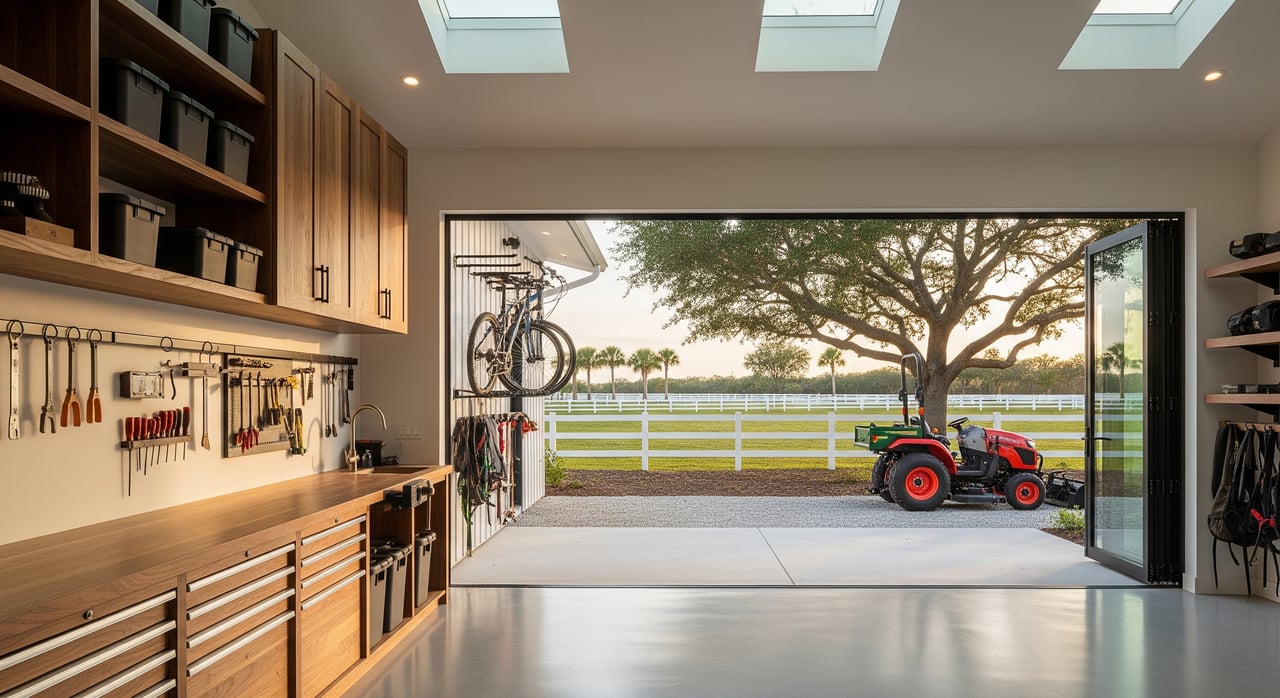
Detached buildings are where acreage living shines. Here is how to evaluate feasibility and avoid surprises.
Confirm how many accessory structures are allowed and the maximum footprint for each. Setbacks from property lines, wells, septic systems, and other buildings will control site layout. Fire separation rules can also require specific distances based on use and size.
Flood status will drive design choices. In special flood hazard areas, new accessory buildings may need elevation above base flood height, and storage below that elevation can be limited or require flood openings. Where flood risk is low, slab-on-grade is common, but heavy equipment may require thicker, engineered slabs.
Check your main service capacity before buying heavy tools. Shops with welders, 240-volt equipment, HVAC, and compressors often need a service upgrade. Three-phase power can be necessary for industrial machines, but it is not common and can be costly to add. Plan ventilation and dust control for woodworking, and follow rules for propane tanks and fuel storage setbacks.
Expect fire-rated separations if a shop is attached or very close to a residence. Clear address markings and access for emergency vehicles improve safety and may influence insurance. If you plan spray finishing, metal work, or flammable storage, discuss protection and exhaust needs during permitting.
Garage and barn doors must meet local wind-load and impact standards. Use impact-rated doors or shutters where required. Proper roof tie-downs, anchoring of pole barns, and robust connections are critical under the Florida Building Code. Plan for securing equipment and vehicles during storm season, including interior tie-down points.
If your shop uses water for washdowns or produces wastewater, you will need to address treatment and disposal. Discharge to the ground is restricted. A licensed septic designer and county health review are necessary for any new connections, drain fields, or accessory apartments.
Older barns and garages can be great, but they may have structural issues, undersized slabs, or outdated electrical systems. A structural evaluation helps you decide if reuse is practical for light hobbies or if heavy-duty work requires new construction. Re-engineering may be needed for vehicle lifts, ventilation, and power.
Bring this list when you tour or pre-screen MLS listings. It helps you narrow to the properties that actually fit your storage and workshop goals.
A quick call with the right expert can save months of rework later. Consider bringing these professionals into your due diligence.
Acreage in Jupiter Farms gives you room to spread out, but success comes from planning. Start with the rules, walk the land with an eye for access and drainage, and match your storage or shop goals to the site’s utilities and buildable area. With a clear checklist and the right experts, you can buy confidently and build the setup you want.
If you are weighing properties or want a second set of eyes on feasibility, reach out to Lorie Arena. Call Lorie — I Answer My Phone!
Stay up to date on the latest real estate trends.
Lorie provides a hands-on, client-focused real estate experience defined by clear communication, trust, and responsive service—guiding buyers and sellers every step of the way.

Lorie Arena
2000 PGA Blvd #2100 Palm Beach Gardens FL 33408