What a Condo's Age Actually Buys You in Stuart This Year
August 20, 2026
August 20, 2026
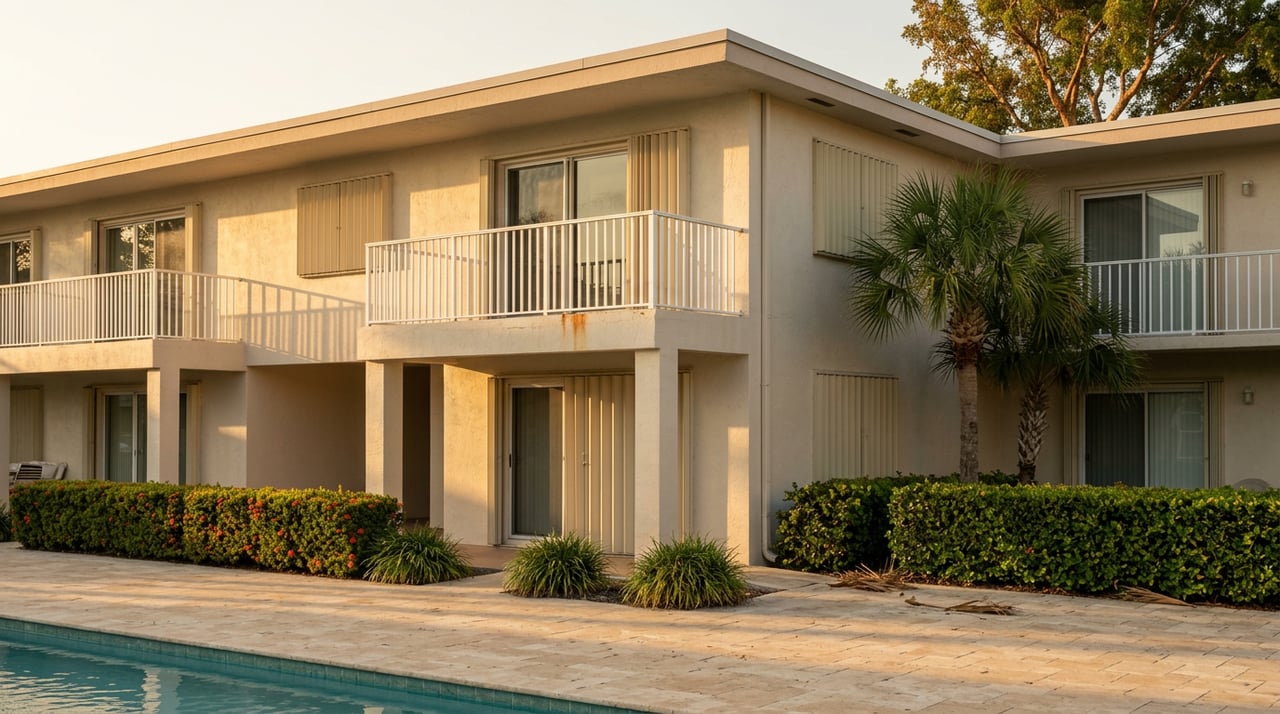
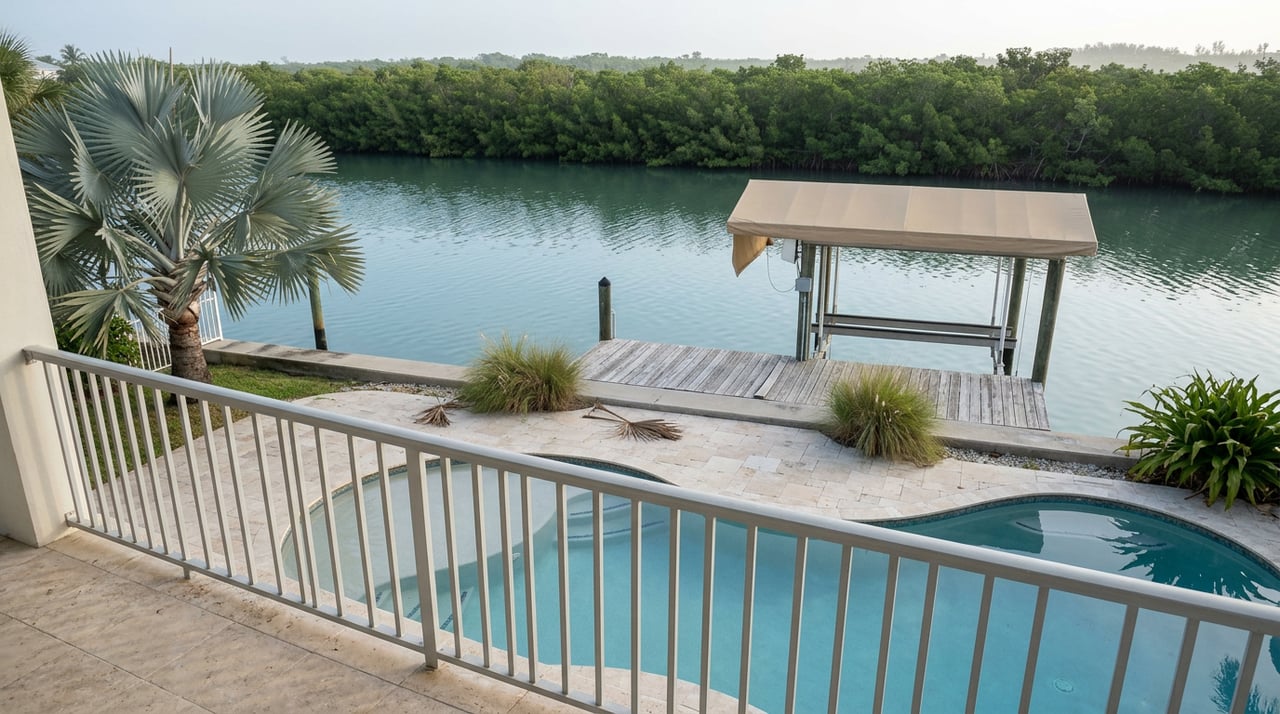
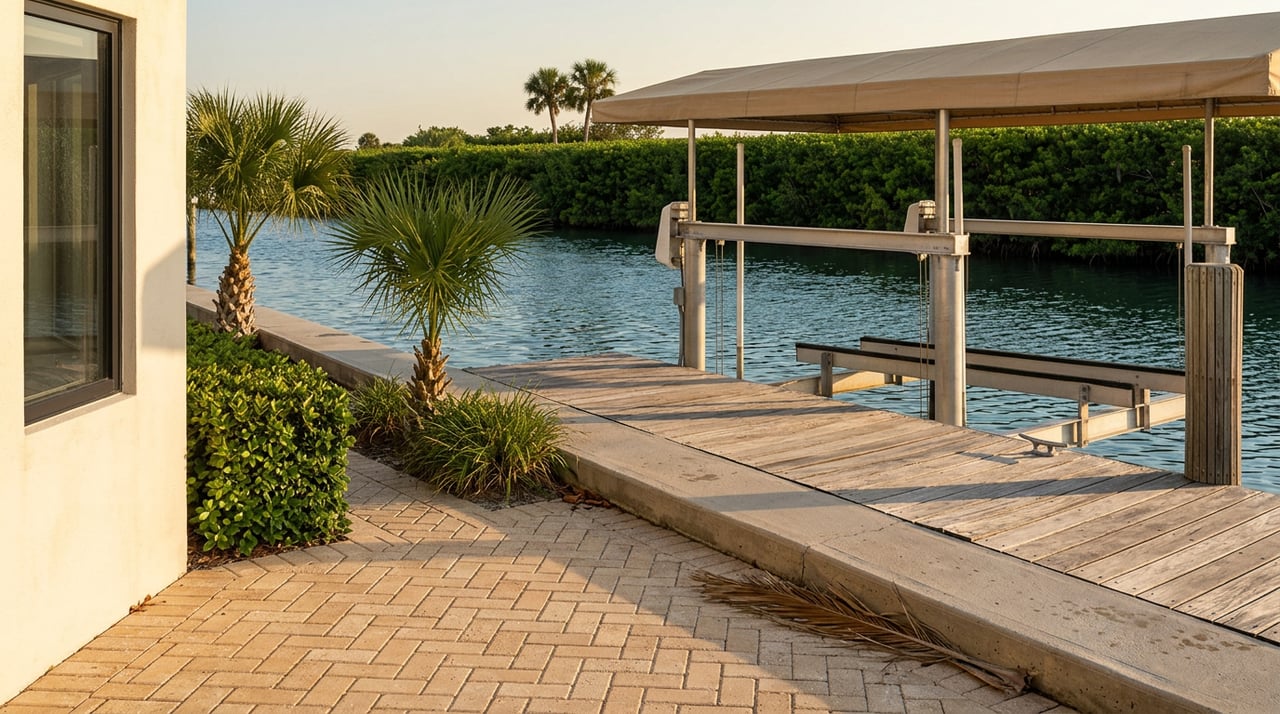
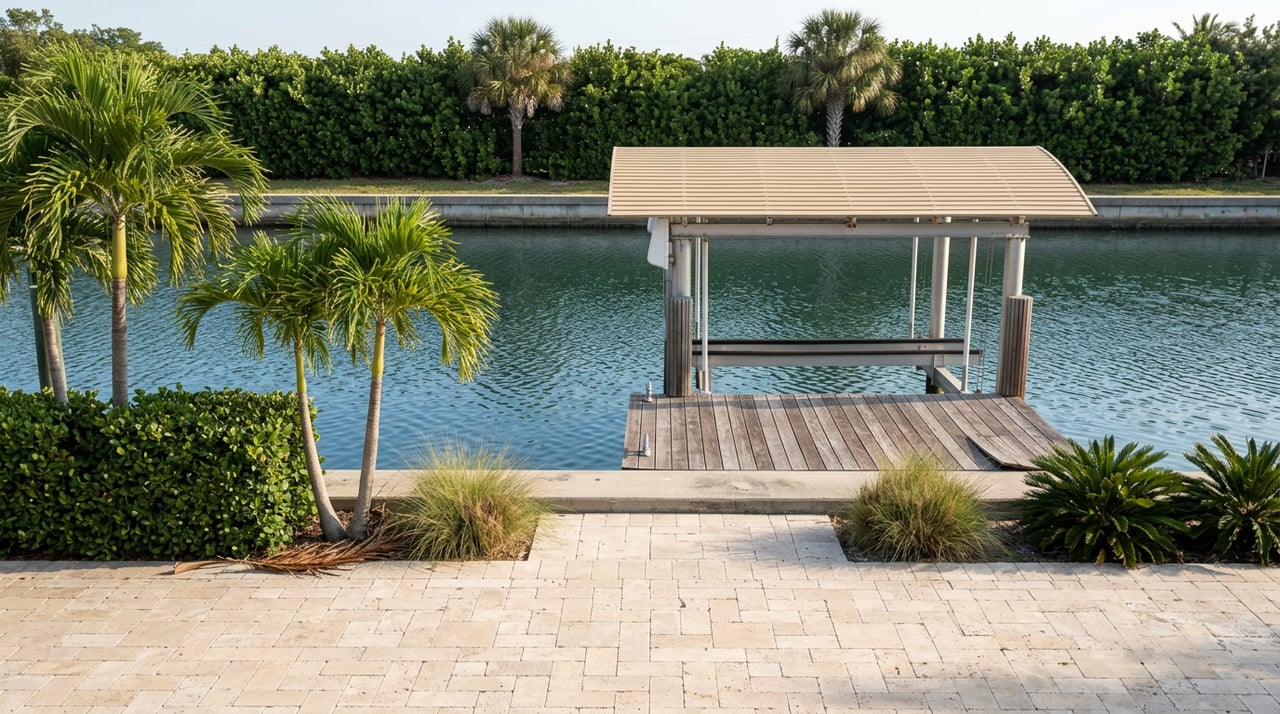
A buyer touring downtown Stuart on a Saturday in 2026 can see two waterfront condos in the same afternoon, twenty minutes apart, and walk away thinking they're choosing between finishes. One might be a boutique building finished in the last few years, with a rooftop deck and elevators that still smell new. The other might be a 1970s community on the South Fork of the St. Lucie, recently remodeled inside, with a boat slip deeded to the unit and three pools on the grounds. Both units might list in a similar range. Both might show beautifully.
What the buyer usually doesn't compare is the one number that matters most under Florida law right now: the date on the building's certificate of occupancy. That single date decides whether the condo association is already sitting on a structural inspection report, a reserve funding plan, or neither, and it decides how exposed a new owner is to a special assessment that has nothing to do with how nice the kitchen looks.
Stuart's condo stock splits cleanly into two generations, and both generations show up in the same search radius around downtown.
On one end sits the wave of new construction along the waterfront corridor. Sailfish Cove is a mixed-use building with 30 residential units and eight office and retail spaces, built within the last several years, with a pool, a rooftop viewing deck, and two elevators. Riverhouse, a few blocks over, holds 15 luxury condos and five townhomes with private boat slips, also recent construction. Neither building has existed long enough to trigger Florida's milestone structural inspection requirement, which only applies once a building reaches 25 or 30 years of age depending on its distance from the coast.
On the other end sits Stuart's mid-century condo stock, most of it built for the same reason people still move here: water access at a price a working retiree could afford. The Windjammer, a 130-unit community on the South Fork with three pools and deeded docks, was built between 1973 and 1979. Monterey Yacht and Country Club, a 510-unit, 51-building community built around a nine-hole golf course, went up between 1971 and 1980. Both are past the 30-year mark by decades. Both are exactly the profile of building the state's post-Surfside inspection law was written for.
That gap in age is the gap the price sheet doesn't show.
Florida's structural safety framework has two separate pieces, and buyers often conflate them.
A milestone inspection is a physical structural review, performed by a licensed engineer or architect, required for any condo or co-op building three stories or taller once it reaches 30 years from its certificate of occupancy, or 25 years if the building sits within three miles of the coast. It repeats every 10 years after that. If the inspection turns up substantial structural deterioration, a second, more invasive phase follows, and any required repairs must begin within 365 days of that report.
A Structural Integrity Reserve Study, or SIRS, is a financial planning document. It looks at eight specific structural components, including the roof, load-bearing elements, plumbing, electrical systems, waterproofing, and windows and doors, and calculates how much the association needs saved to maintain or replace them. Associations that existed on or before July 1, 2022 were required to have their first SIRS completed by December 31, 2025, with funding beginning January 1, 2026. If a building also owes a milestone inspection by the end of 2026, the two can be completed together, but under no circumstances can the SIRS slide past December 31, 2026.
The distinction that trips people up: the SIRS applies to any building three stories or taller, regardless of age. A condo finished this year still needs a SIRS on file. The milestone inspection is the one that only reaches back for older buildings, and it won't touch a new building for decades.
That means a buyer at Sailfish Cove, where two elevators and a rooftop deck suggest a building well past two stories, should still ask whether the association has a current SIRS in hand, even though nobody expects a structural finding. A buyer at The Windjammer or Monterey Yacht and Country Club should assume both documents exist somewhere in the association's files, because the buildings are decades past the trigger age, and should read them before the inspection period closes.
Missing either deadline carries real teeth. Associations that fall out of compliance face fines starting at $500 a day, referral to a local construction board of adjustment, and in serious cases a vacate order that forces residents out until repairs are complete.
The structural side of this story gets attention because it's dramatic. The financing side is where buyers actually get surprised, usually after they've already fallen for a unit.
Fannie Mae maintains an internal list of condo projects that are ineligible for conventional financing, and that list has grown from a few hundred properties before 2021 to roughly 5,000 as of 2025. Across Miami-Dade, Broward, and Palm Beach counties alone, 696 buildings currently sit on it. The two most common reasons a building lands there are insufficient master insurance and a critical repair or inspection failure, which means a building can be structurally sound inside a specific unit and still be functionally unfinanceable at the association level. When that happens, buyers relying on a conventional mortgage lose the loan product entirely and have to either pay cash or walk.
This is why the age split matters more than it looks like it should. A brand-new building like Riverhouse or Sailfish Cove has almost no path onto that list right now, because there's no deferred maintenance history to flag. A 1970s building only lands on the list if its association has let insurance lapse or missed an inspection deadline, not simply because it's old. Plenty of well-run mid-century Stuart communities carry current documentation and clean financing. The age doesn't create the risk by itself. It creates the window where the risk becomes possible, and that window is exactly what the paperwork is supposed to close.
| Building | Built | What it means for a 2026 buyer |
|---|---|---|
| Sailfish Cove | Last several years | Won't face a milestone inspection for decades. Should already have a current SIRS on file given its height, since that requirement runs on age of building, not years since sale. |
| Riverhouse | Recent construction | Same milestone timeline as Sailfish Cove. Ask about SIRS status if the building is three stories or more. |
| The Windjammer | 1973 to 1979 | Well past the 30-year and 25-year triggers. Milestone inspection and SIRS should already exist. Ask for both reports and any Phase 2 findings before the inspection period ends. |
| Monterey Yacht and Country Club | 1971 to 1980 | Same exposure window as The Windjammer, across 51 buildings. Ask which specific building the unit sits in, since compliance is tracked per structure, not per community. |
The mistake buyers make in either direction is assuming the interior tells them anything about the building. A remodeled kitchen in a 1974 unit says nothing about whether that building's association has completed its milestone inspection. A brand-new lobby says nothing about whether the SIRS has actually been filed, since the requirement exists from day one regardless of how new the paint looks.
None of this replaces a conversation with a Florida real estate attorney, who can confirm exactly where a specific building stands before closing. What this gives a buyer is the list of questions to bring to that conversation, and the confidence to ask them before falling in love with a view.
Does a newer condo mean there's nothing to check? No. Any building three stories or taller needs a current SIRS regardless of age. New construction just means the milestone structural inspection is decades away, not that the paperwork requirement disappears.
If the seller says the building already passed inspection, is that enough? Ask to see the actual report, not just the summary. A clean Phase 1 finding is different from a Phase 2 finding with defined remediation work, and the difference affects both price and future assessment risk.
Does this apply to single-family homes? No. The milestone inspection and SIRS requirements apply specifically to condominium and cooperative buildings three stories or taller. Single-family and low-rise multifamily properties of three units or fewer aren't covered.
Stuart's waterfront market rewards buyers who read the building, not just the unit. If you're comparing a new construction condo against an established community here and want a straight answer on what a specific association's documents actually say, Lorie Arena can help you get the right reports in hand before your inspection period runs out. Call Lorie — I Answer My Phone!
Stay up to date on the latest real estate trends.


Lorie provides a hands-on, client-focused real estate experience defined by clear communication, trust, and responsive service—guiding buyers and sellers every step of the way.

Lorie Arena
2000 PGA Blvd #2100 Palm Beach Gardens FL 33408